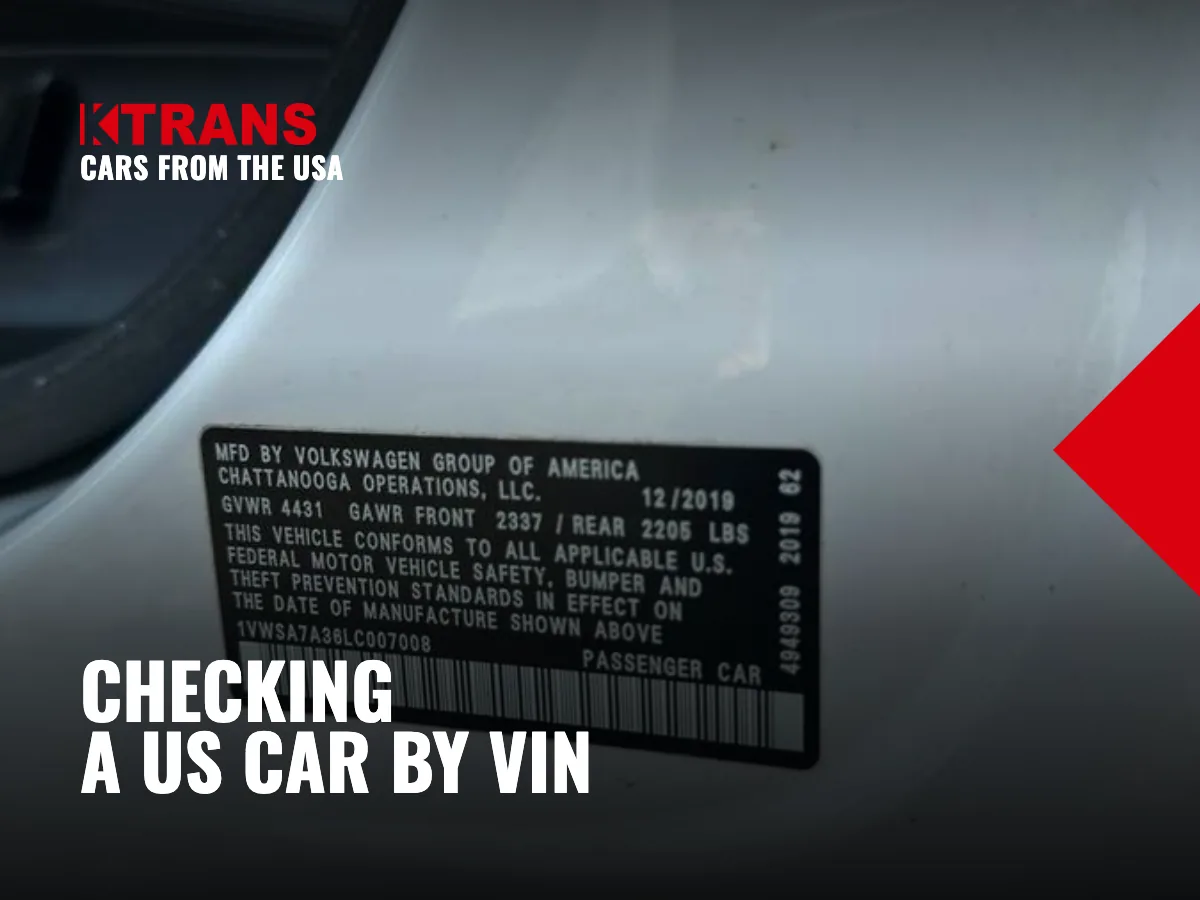
A VIN is the 17 characters under which a car’s US history is collected: insurance claims, title, auction sales, mileage at inspections. Before bidding on Copart or IAAI, read that history together with the lot photos — it often explains what the photos do not show.
Carfax and AutoCheck: the difference
These are the two largest paid VIN report services in the US. Carfax has been around since 1984 and is strongest on service and accident records, which dealers and repair shops report. AutoCheck belongs to the credit bureau Experian and sees data from the large wholesale auctions Manheim and ADESA, so it shows dealer-to-dealer resales better.
AutoCheck adds a score — a number and a range for similar cars of the same year and class. Carfax gives no score: it lists the records and you draw the conclusion. For an auction lot both reports are useful.
What the report contains
What the report misses
A report only knows what someone officially reported. A repair paid by the owner without an insurer or the police never gets in, and neither does flooding no insurer paid for. So a clean report does not mean the car was never damaged: read it together with the photos, damage codes and the lot title. How to do that — in the article how to check an auction car before bidding.
Can you check a VIN for free
Partly. The non-profit NICB VINCheck shows for free whether a car is in the database of stolen cars or insurance total losses — but only from insurers that take part. It has no mileage, owners or service. A Copart or IAAI lot page shows the VIN, title type and main damage, and the full history comes in a paid report.
How we read the report before bidding
KTRANS checks the lot before bidding — photos, damage codes, title and VIN history — as part of turnkey import. Which auctions we buy at and what their fees are — on the US auctions page.
Frequently asked questions
How does Carfax differ from AutoCheck?
Carfax is stronger on service and accident records, AutoCheck on data from the wholesale auctions Manheim and ADESA, and it gives the car a score. For an auction lot both reports are useful.
Can you check a US car’s VIN for free?
Partly: NICB VINCheck shows whether a car is in the database of stolen cars or insurance total losses. Mileage, owner and repair history come only in a paid report.
What does title brand mean?
A mark on the title set by the state: salvage — an insurer wrote the car off, rebuilt — restored after salvage, flood — water-damaged. The mark stays in the VIN history.
Will the report show flooding?
Only if someone reported it — an insurer, an auction or the state. Flooding without an insurance claim may not get into the report, so we check the interior, connectors and lot photos separately.