Plenty of companies promise turnkey car import from the USA, and their websites say almost the same thing: auctions, shipping, customs clearance. The difference shows not in the advertising but in the answers to specific questions. Below are ten questions worth asking before you pay a deposit. For each one there is an explanation of what a normal answer looks like and how it works at KTRANS.
1. Will you show me the lot before the bid?
The normal answer is yes — with photos, video, the lot description and a VIN history report. The client should decide on the bid with the facts in hand, not find out about the car’s condition after the purchase. If a company suggests you “trust us” and lets it pick the car, the risk moves to you.
At KTRANS the client sees photos and video of the condition, the lot description with the damage type and the title type, and the history report before the bid. You can also send your own lot — it gets the same review. How to read such a report is explained in the article on Carfax and AutoCheck.
2. How is the bid limit agreed?
The limit should be a single number that covers not only the bid but also shipping and customs payments. It also matters what happens when the lot gets more expensive: does the company leave the auction or “go slightly over” at its own discretion?
At KTRANS the limit is agreed with the client before the auction, and the bid never exceeds it. When the lot price goes above the limit, the company stops bidding and looks for another option.
3. Will you calculate duty, excise and VAT before the auction?
Customs payments are a large part of the total, so you need to know them before the bid, not after the car arrives in Ukraine. Duty on petrol and diesel cars is 10%, VAT is 20% and is charged on the sum of the value, duty and excise, and the excise depends on engine size and age, not on the price. A good company calculates this with the same formula customs uses.
You can get an estimate yourself in our US car customs calculator: it shows auction fees, shipping, duty, excise and VAT as separate lines. For a specific lot the manager confirms the exact figure.
4. Which auctions do you search?
The wider the choice of platforms, the better the chance of finding the right trim within budget. The main auctions are Copart, IAAI, Manheim and Impact Auto Auctions (Canada). If a company works with only one, ask why.
KTRANS searches all four. The differences between them and how bidding works are on the US auctions page.
5. How is payment structured?
Paying the whole amount upfront for a car that is still sitting on a lot in the USA is risky. It is safer when payment comes in stages, following the car.
At KTRANS the first payment is a 500 $ deposit. The lot price with the auction fee is paid once the auction is won, logistics once the car is on its way, roughly a month or two later, and customs payments before clearance. For those who prefer equal parts there is an instalment plan.
6. Who pays for storage?
Storage at the port and at the auction yard is a cost people often learn about at the last moment. Ask who pays for it and for how long.
At KTRANS the client does not pay for port storage — it is part of the company’s work.
7. How long is the real wait, and what shifts the timing?
The honest answer is three to four months from the first payment to the keys, not “you’ll be driving in a month”. Shipping takes 1–2 months after the auction, customs clearance a week or two, repairs, if needed, at least a month. Timing most often slips because of the title, which the seller issues after the auction. More on this in the article on how long a car takes from the USA.
8. Can the car be insured during transport?
The car spends several weeks on the road, so insurance is worth discussing in advance: what it costs and what it covers.
At KTRANS transport insurance is optional: the client picks one of two rates — 0.6% or 0.9% of the lot price.
9. Who handles customs clearance and certification?
It is better when one contractor takes the car all the way: customs clearance, certification and preparing the documents for registration. If these steps are “on you”, set aside time and a separate budget for them, including the pension fee at first registration.
KTRANS hands over the car cleared through customs and ready for registration, and repairs after delivery, if needed, are done at its own service centre.
10. Can I see completed orders with prices?
The best proof is real cars with real figures: what was bought, how much it cost at auction and what the turnkey total came to. It is also worth asking whether the company has its own lot where you can see cars in person.
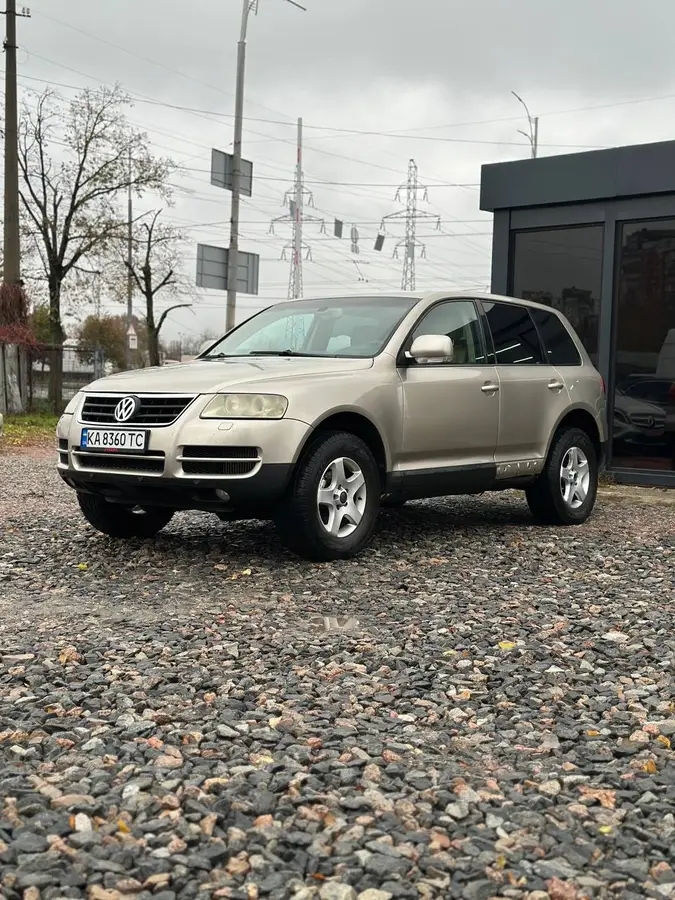
On the turnkey car import from the USA page KTRANS shows completed orders with prices. Cleared cars with documents stand on the lot in Kyiv at 1a Ronald Reagan St — you can inspect and test-drive them, and the ones already in stock are in the catalogue of cars in Kyiv.
In short: red flags
No waiting — cars already in Ukraine
FAQ
Can I import a car from America myself?
Yes, if you have access to the auctions through a licensed broker, a carrier, a customs broker and the time to control every step. A company takes these steps on, so the main thing is to check how exactly it works, using the questions above.
How is turnkey car import from the USA different from buying a car in stock?
On order you get a specific model and trim from the auction, but you wait 3–4 months. A car in stock is already cleared and in Ukraine — you can inspect it and take it right away.
How much does importing a car from the USA cost?
The total is made up of the lot price, the auction fee, shipping, duty, excise, VAT, certification and customs processing. Calculations with real examples are in the article on what a turnkey car from the USA costs.